














“Your Relative is in Danger”: IDBank Warns About an Aggressive Wave of Phone Scams
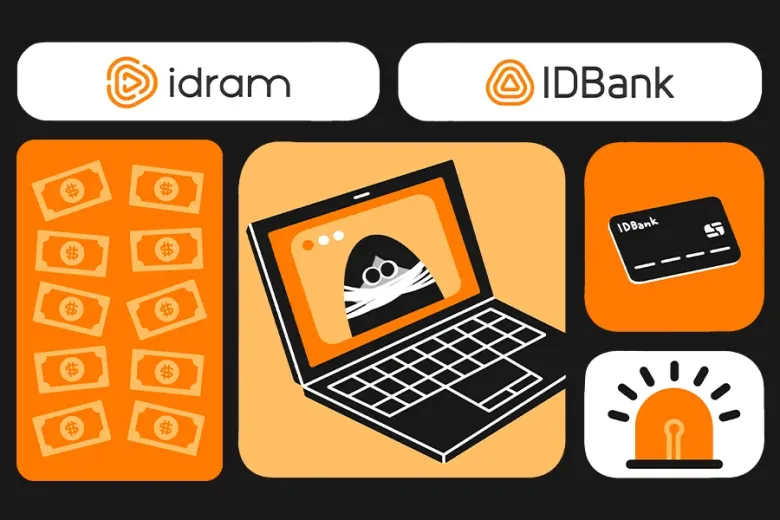
Recently, Armenia has seen the resurgence of one of the most psychologically stressful fraud schemes. Despite its long history, the legend of a “relative in danger” has reached a new peak in the country, exploiting the most vulnerable feelings—love for close ones and fear for their safety.
The Mechanics of Deception: A Scenario That Paralyzes the Will
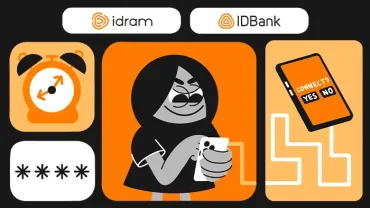
Scammers rely on your shock and panic. The call can come through either a mobile or a landline. The caller pretends to be a doctor, investigator, or police officer and delivers tragic news: your loved one has been involved in a serious accident, is in intensive care, or has been detained for a serious offense.
To increase the effect, scammers often imitate the voice of your relative, with crying, background noise, or unclear calls for help. Immediately afterward, the “official” offers a solution: urgently transfer a large sum of cash to a courier or make a payment to “resolve the case” or cover an emergency operation. The main tool here is artificial time pressure. The victim is not allowed to hang up and is literally forced to act in a state of emotional distress.
This scheme is especially dangerous for elderly people. Scammers play on guilt and the urgent desire to “save” a loved one, leaving no time for fact-checking.
The Legal Trap:
The danger of this method lies in the way money is transferred. When funds are handed to a courier in cash or sent via transfer to an unknown card or electronic wallet, legal mechanisms for recovery almost cease to function. The bank cannot cancel a transaction carried out by the account owner under emotional pressure, and the “couriers” in this chain often vanish without a trace.
IDBank Recommends:
Your willingness to help loved ones is a wonderful quality—but it should never be exploited by criminals. To protect yourself and your family, remember:
- Don’t give in to panic. Pause, take a deep breath, and say: “I will call back.”
- Verify the information immediately. Call your relative yourself, and if they don’t answer, contact other close family members.
- No money to couriers. Real government officials or hospital staff never send intermediaries to collect cash. This is a clear legal violation and a sure sign of fraud.
- Check the story. Ask a question that only your real relative could answer. A scammer will immediately end the conversation.
- Inform the police. Even if you recognize the scam in time, report the call to law enforcement. Your report can help block the scammers’ numbers and protect those who may be less vigilant.
Remember: This scheme relies on surprise and trust. Your money is safe as long as you do not voluntarily transfer it to scammers under emotional pressure.
IDBANK IS SUPERVISED BY THE CBA
 Business and mining leader Mark Cutifani to deliver keynote speech at the 3rd Mining Armenia Forum
 New AI-Powered Wildlife Monitoring Camera Installed in Paruyr Sevak with the Support of Ucom
 35 Years of Trust: IDBank Celebrates with Its Customers
 IDBank to Showcase Environmental and Innovative Initiatives at COP17
 Ucom Supported Yerevan Conservation Symposium 2026 as Strategic Partner
 Unibank Receives B++ Sustainability Alignment Rating from Agents for Impact GmbH
 Idram and IDBank Participated in the Opening of My Forest Armenia’s Pavilion at COP17