






How Armenia is Revolutionizing Inclusive Preschool Education: Interview with expert
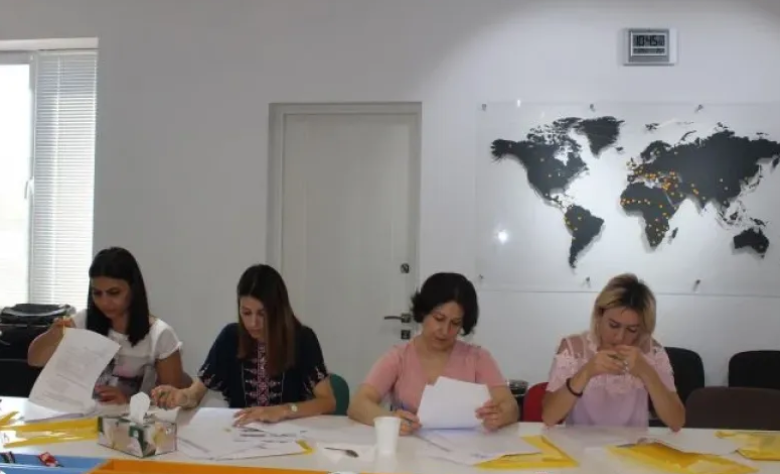
By Anna Yeremyan
In a global context where educational barriers continue to restrict access for many children, Armenia is implementing an innovative preschool education approach designed to include every child, regardless of ability or background. To further examine this model, we consulted with leading inclusive educational expert Marieta Ashikyan.
Anna Yeremyan: Inclusive education is transforming early learning worldwide. How is Armenia ensuring that no child is left behind in preschool?
Marieta Ashikyan: Armenia is committed to the principle that every child deserves equal opportunities—regardless of ability or background. Our inclusive preschool model goes beyond mere access; it’s about tailoring the learning environment to each child’s unique needs. This means adapting teaching methods, classroom setups, and support systems so that children with diverse developmental profiles can thrive alongside their peers.
Anna Yeremyan: Assessment seems key to this process. How do educators identify a child’s needs early on?
Marieta Ashikyan: It starts with observation in natural settings—watching how children learn, play, and interact. Teachers, alongside psychologists and parents, document strengths, challenges, and social behaviors over time. If a child struggles mildly, we implement targeted interventions—like adjusted lesson plans or modified play areas—before any formal labeling occurs. But if deeper barriers emerge, we involve Regional pedagogical psychological support center.These teams conduct thorough evaluations and, if needed, design personalized education plans to ensure the child receives the right support.
Anna Yeremyan: Many fear that inclusion might disrupt traditional classrooms. How does Armenia balance individual needs with group learning?
Marieta Ashikyan: Inclusion isn’t about forcing conformity—it’s about flexibility. For example, a child with sensory sensitivities might need a quiet corner, while another benefits from visual schedules. Teachers receive training to adapt in real time without compromising the class’s overall dynamic. Crucially, we don’t wait for children to “fail” before acting. Preventive strategies—like speech therapy or social skills groups—are integrated seamlessly, often benefiting the entire class.
Anna Yeremyan: What role do parents play in this system?
Marieta Ashikyan: Parents are partners. From consent for assessments to co-designing learning plans, their insights are invaluable. We also empower them with workshops—because a child’s progress depends on consistency between school and home.
Anna Yeremyan: Armenia’s Regional pedagogical psychological support centers and Republican Pedagogical-Psychological Center provide backbone support. How does this translate on the ground?
Marieta Ashikyan: Regional pedagogical psychological support center specialists don’t just assess—they follow up. They train teachers, troubleshoot challenges, and ensure resources reach classrooms. Meanwhile, the RPPC drives nationwide research, refining best practices. This two-tiered support prevents schools from feeling isolated in their efforts.
Anna Yeremyan: Critics argue inclusion is costly. What’s your response?
Marieta Ashikyan: The real cost lies in exclusion—children denied early support often require far more expensive interventions later. By investing upfront, we reduce long-term burdens on families and society. Plus, inclusive classrooms foster empathy and diversity—skills every child needs in tomorrow’s world.
Anna Yeremyan: Looking ahead, what’s your vision for inclusive preschools in Armenia?
Marieta Ashikyan: A future where inclusion isn’t exceptional—it’s expected. Where teachers instinctively adapt, peers naturally support one another, and parents see preschool as a launchpad for all children’s potential. Our policies are paving the way, but the true measure of success will be a generation that grows up unaware of barriers—because we removed them.

 Մանկություն, որ սովորեցնում է մտածել. Մոնտեսսորիի զարգացումը Converse Leasing-ի աջակցությամբ (տեսանյ...
 Իշխանության համար պայքարը պետք է հանել օրակարգից․ միակ հարցը՝ Հայաստանը չտանել դեպի Արևմուտք․ Մհեր Ա...
 Փաշինյանը խոստացավ բարեկեցություն, բայց բերեց աղքատություն․ Լենա Մաթևոսյան
 Օտարերկրյա կազմակերպությունների կողմից Հայաստանի վարկաբեկման փորձերը պետք է կանխվեն. ՀՀՄԱ
 Կառավարությունը քայլ առ քայլ զիջում է Հայաստանի պետական ու ազգային շահերը․ Աբրահամյան
 Արցախի Հանրապետությունը ձևավորվել է Արցախի ժողովրդի ինքնորոշման իրավունքով. Մենուա Սողոմոնյան
 Ընդդիմությունը պետք է ձևավորի իր ինքնուրույն, անկախ օրակարգը. Արեգ Սավգուլյան
 Տարեցտարի բուհ ընդունվողների թիվը զգալի նվազում է, ինչը վկայում է կրթության ցածր որակի մասին. Ատոմ Մ...
 «Եթե մենք կանգնեցինք Արևմուտքի կողքին, Արևմուտքը մեզ Ուկրաինայի նման օգտագործելու է, և մենք վճարելու...
 Եկեղեցին մեր վերջին սրբությունն է, և մենք ամեն գնով պետք է պայքարենք ու պաշտպանենք այն. Ցոլակ Ակոպյա...