



















Processed foods inhibit children's skeletal development, research claims

Eating over-processed foods has been linked to decreased bone quality in children, according to the Hebrew University of Jerusalem.
According to Medical Express, so-called ultra-processed foods go through several stages of processing. They are popular with consumers because they are readily available, relatively inexpensive, and immediately ready to eat.
Regular consumption of such foods is associated with obesity, mental and metabolic problems in people of all ages. As it turned out, such foods can also hurt the skeleton of a growing organism.
The scientists used laboratory mice whose skeletons were at the postembryonic stage of development. Rodents fed ultra-processed food suffered from growth retardation, which negatively affected their bone strength.
Carrying out histological examination, the scientists found a high level of accumulation of cartilage cells in the bone growth zone. And additional tests on rodent cells showed that the genetic RNA profiles of cartilage cells in animals that consumed harmful foods showed signs of bone development disorder. Moreover, even in reduced quantities, UHT products produced a negative effect.
 Business and mining leader Mark Cutifani to deliver keynote speech at the 3rd Mining Armenia Forum
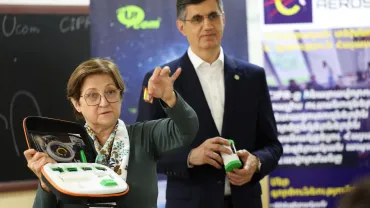
 New AI-Powered Wildlife Monitoring Camera Installed in Paruyr Sevak with the Support of Ucom
 35 Years of Trust: IDBank Celebrates with Its Customers
 IDBank to Showcase Environmental and Innovative Initiatives at COP17
 Ucom Supported Yerevan Conservation Symposium 2026 as Strategic Partner
 Unibank Receives B++ Sustainability Alignment Rating from Agents for Impact GmbH
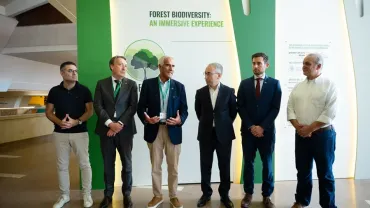
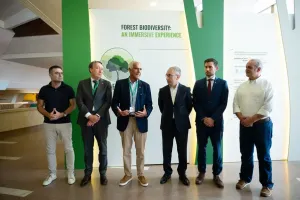 Idram and IDBank Participated in the Opening of My Forest Armenia’s Pavilion at COP17