






Dangerous Generosity: IDBank Warns of a Rise in Fake Online Surveys
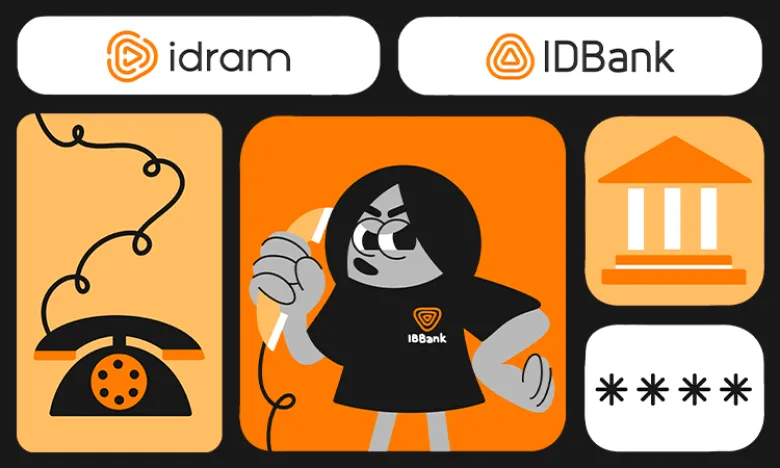
In the Armenian segment of social media, cases of financial fraud disguised as marketing research have become more frequent. Fraudsters, using the brands of various Armenian banks and other large commercial organizations, promise citizens rewards of several tens of thousands of drams for completing a short sociological survey.
The Mechanics of the Scam: From Click to Theft
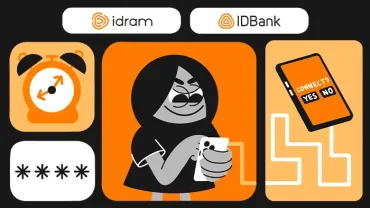
The scheme begins with an advertisement on Facebook, Instagram, or TikTok, designed in the corporate style of a real bank or company to appear convincing. The victim is invited to follow a link that leads to a phishing page. To “credit the bonus,” users are asked to enter their phone number, online banking password, and—most critically—a one-time password (OTP).
An important detail: to lower the victim’s vigilance, fraudsters may remotely change the notification language settings in the victim’s banking app after obtaining the required information. Upon receiving a new SMS in an unfamiliar language, the user often enters the code again, not realizing they are confirming not a “reward payment,” but a transfer of their funds to a third-party account or authorizing a new microloan in their name.
Scammers may also rush the victim to prevent them from thinking clearly. Any sense of urgency in communication from a “bank” or other organization is a clear sign of fraud.
The Legal Trap
From a legal standpoint, voluntarily sharing confidential information (passwords and SMS codes) with third parties places responsibility for financial losses on the client. Banks cannot reverse a transaction confirmed by a one-time password, as it is legally equivalent to the account holder’s personal signature.
IDBank recommends:
To avoid losing your savings in pursuit of easy money, follow these rules:
- Ignore paid surveys. Banks and companies do not pay money for participating in social media surveys. Almost any such offer is a sign of fraud.
- Check the URL address. The bank’s only official website is idbank.am. Links such as idbank-promo.am or bonus-20000.am and similar addresses lead to fake resources. This also applies to websites of other banks and companies. Any extra character in a URL is a red flag.
- Keep your SMS code confidential. Never enter confirmation codes on unverified websites. These codes are intended solely for transactions you initiate yourself.
- Use official channels. If a marketing campaign seems attractive, verify the information in the bank’s official app or call the contact center. If you cannot confirm the authenticity of the campaign through official channels, it is another scam trap.
Remember: financial security begins with your vigilance. Do not enter your personal data on suspicious resources — and your funds will remain protected.
IDBANK IS SUPERVISED BY THE CBA
 Business and mining leader Mark Cutifani to deliver keynote speech at the 3rd Mining Armenia Forum
 New AI-Powered Wildlife Monitoring Camera Installed in Paruyr Sevak with the Support of Ucom
 35 Years of Trust: IDBank Celebrates with Its Customers
 IDBank to Showcase Environmental and Innovative Initiatives at COP17
 Ucom Supported Yerevan Conservation Symposium 2026 as Strategic Partner
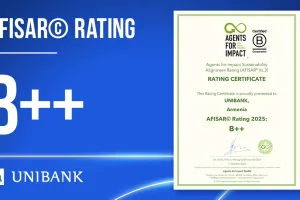 Unibank Receives B++ Sustainability Alignment Rating from Agents for Impact GmbH
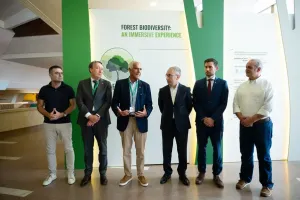 Idram and IDBank Participated in the Opening of My Forest Armenia’s Pavilion at COP17