





















Is fiber good for COVID-19?
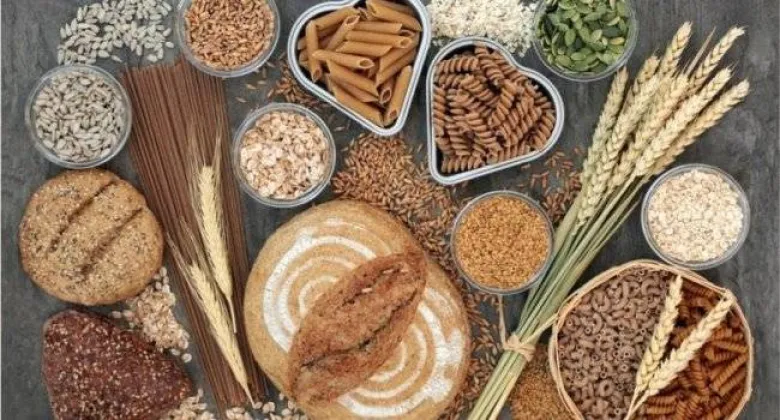
Compounds produced by the gut microbiota during the fermentation of insoluble fiber from plant foods do not interfere with the SARS-CoV-2 coronavirus's ability to enter and multiply in intestinal cells, Brazilian experts noted.
The study, published in the journal Gut Microbes, also showed that while in vitro treatment of cells with these molecules did not significantly affect local tissue infection, it reduced the expression of a gene that plays a key role in viral cell entry and a cytokine receptor that promotes inflammation.
As part of the study, healthy colon tissue and epithelial cells were infected with SARS-CoV-2 in a laboratory and underwent a series of tests. As it turned out, the viral load did not decrease and was the same in cells and tissues treated with short-chain fatty acids, and in untreated samples.
However, the treated intestinal biopsy specimens showed a significant decrease in the expression of the DDX58 gene, the innate immune system receptor that detects viral nucleic acids and activates the signaling cascade leading to the production of pro-inflammatory cytokines, and the interferon lambda receptor, which mediates antiviral activity. A decrease in the expression of the TMPRSS2 protein, which is important for penetration into viral cells, was also observed.
 Unibank Receives B++ Sustainability Alignment Rating from Agents for Impact GmbH
 IDBank to Showcase Environmental and Innovative Initiatives at COP17
 Ucom Supported Yerevan Conservation Symposium 2026 as Strategic Partner
 Idram and IDBank Participated in the Opening of My Forest Armenia’s Pavilion at COP17
 Young Musicians of the “Armenian Virtuosos” Program Perform in the COP17
 A Birthday in Italy with Unibank
 With Ucom’s Support, SunChild Brings Cinema and Environmental Conservation Together
 “The people of Stepanavan will show through their votes that every attempt to deceive them with vide...