















How to protect your bank accounts and E-Wallet

Protecting your bank accounts and e-wallet is easier than it may seem. One of the first and most important steps is to use a strong and secure password. This doesn’t necessarily mean it has to be long or overly complex, but it must be unique. Repeating the same password across multiple platforms significantly reduces its effectiveness. Your e-wallet password, in particular, should never be reused for any other account.
The same rule applies to the email address linked to your e-wallet.
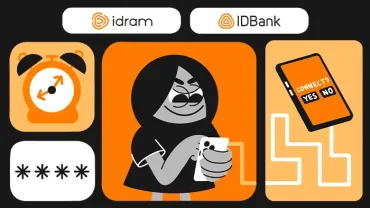
The second crucial rule is to never share your one-time password (OTP) with anyone. This password is usually sent to your phone during actions like online purchases or when logging into your account. After entering your card details, the OTP acts as a second layer of protection. Its purpose is to ensure that even if someone gains access to your main password, they still won’t be able to proceed without this temporary code.
In fact, no password should ever be shared, not even with close friends or family. This is especially important when you're logging in through unfamiliar websites or links. If someone contacts you, claims to be from the bank, and asks for any kind of password—whether it’s an OTP, your main account password, or any other sensitive information—you should immediately refuse and end the call.
No legitimate bank employee will ever ask for your passwords.
 Business and mining leader Mark Cutifani to deliver keynote speech at the 3rd Mining Armenia Forum
 New AI-Powered Wildlife Monitoring Camera Installed in Paruyr Sevak with the Support of Ucom
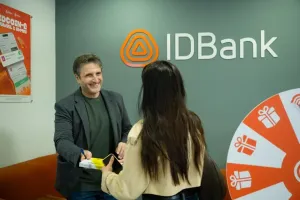 35 Years of Trust: IDBank Celebrates with Its Customers
 IDBank to Showcase Environmental and Innovative Initiatives at COP17
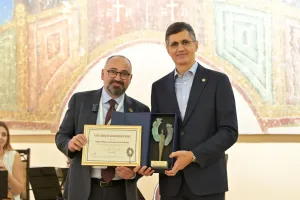 Ucom Supported Yerevan Conservation Symposium 2026 as Strategic Partner
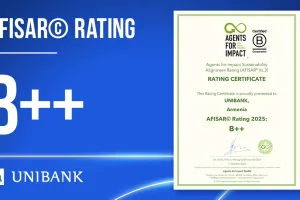 Unibank Receives B++ Sustainability Alignment Rating from Agents for Impact GmbH
 Idram and IDBank Participated in the Opening of My Forest Armenia’s Pavilion at COP17