
















Reputation Management in Armenia: Shushan Harutyunyan

We present an expert opinion on the challenges of reputation management and public relations in Armenia by Shushan Harutyunyan, co-founder of AxelMondrian communications firm.
Can Reputation Be Managed?
If we consider Aristotle’s Rhetoric, Ethos refers to the authority, credibility and moral standing of a person. One is heard not only for what they say, but for who they are. In Armenia today, this becomes especially challenging amid widespread discrediting of public figures and the trivialisation of important issues. Reputation takes years to build, yet it can be destroyed in hours. As a result, many thoughtful and qualified individuals avoid public life for fear of losing their hard-earned credibility in a moment. While reputational harm is a global phenomenon, it is particularly damaging in smaller countries like Armenia, where the pool of trusted voices is limited.
Reputation can—and must—be managed. A society where reputation holds no value becomes a breeding ground for deception. The desire to earn and maintain trust shapes healthier communities. In contrast, widespread cynicism erodes hope.
Is Bad PR Still PR?
No, for sure. It may be quicker and cheaper to gain attention through a stunt, but notoriety does not equal trust. There’s nothing clever in turning yourself into a joke and calling it black PR.
The popularity of prank videos on social media is an example of cultural decline. These videos tap into voyeuristic emotions. Viewers empathise with the person mocked, feel superior by comparison, and then derive a sadistic thrill as the individual willingly humiliates themselves—whether through language, gestures, or values no one used to flaunt. In the end, it provides a kind of twisted reassurance—if these people can earn a living making a mockery of themselves, then even idle viewers might feel they still have a chance.
What Does It Take to Become a PR Specialist?
As the saying goes, everyone’s an expert in football, politics and marketing. Communication is particularly prone to cognitive bias. People believe that if they can write, they can craft a message; if they see colours, they understand design. Sociology and behavioural sciences help understand audiences. Philosophy teaches how ideals are created and destroyed. Aesthetic disciplines like film and art are essential for crafting powerful visuals.
 Business and mining leader Mark Cutifani to deliver keynote speech at the 3rd Mining Armenia Forum
 New AI-Powered Wildlife Monitoring Camera Installed in Paruyr Sevak with the Support of Ucom
 35 Years of Trust: IDBank Celebrates with Its Customers
 IDBank to Showcase Environmental and Innovative Initiatives at COP17
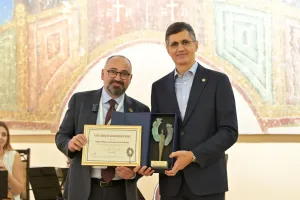 Ucom Supported Yerevan Conservation Symposium 2026 as Strategic Partner
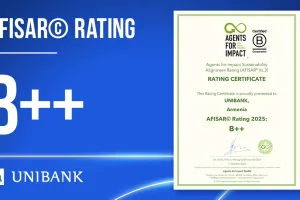 Unibank Receives B++ Sustainability Alignment Rating from Agents for Impact GmbH
 Idram and IDBank Participated in the Opening of My Forest Armenia’s Pavilion at COP17